Loyalty to the Kingdom of God
November 19, 2026
3
min
read
The most recent election cycle saw a dramatic party swing in American politics, with Democrats taking control of both chambers of Congress and flipping nine Senate seats along the way – the most in almost 70 years.
Republicans were dazed, and then upset: their responses ran the gamut from angry to discouraged to disappointed. And the response among those both Christian and conservative was equally frustrated, sometimes to the point that one would think that the loss for the Republican party was also a loss for Christianity.
But, actually, it wasn’t. It’s worth noting, at a moment like this, that political conservatism isn’t Christianity, and Christianity isn’t political conservatism. The Church doesn’t identify with any one party, strictly, even if a given party might be more open or less open to its way of seeing things at a given moment.
Instead, the Church brings any and every political view to the bar of its own teaching. In doing so, it recognizes goodness where it sees it, and it critiques darkness where it sees it. And then when and where aspects of Christian doctrine go up for grabs, the Church voices its concerns and views, and it prompts its members to voice their concerns and views. But the Church doesn’t then pledge its allegiance to the side that comes out most sympathetic to it.
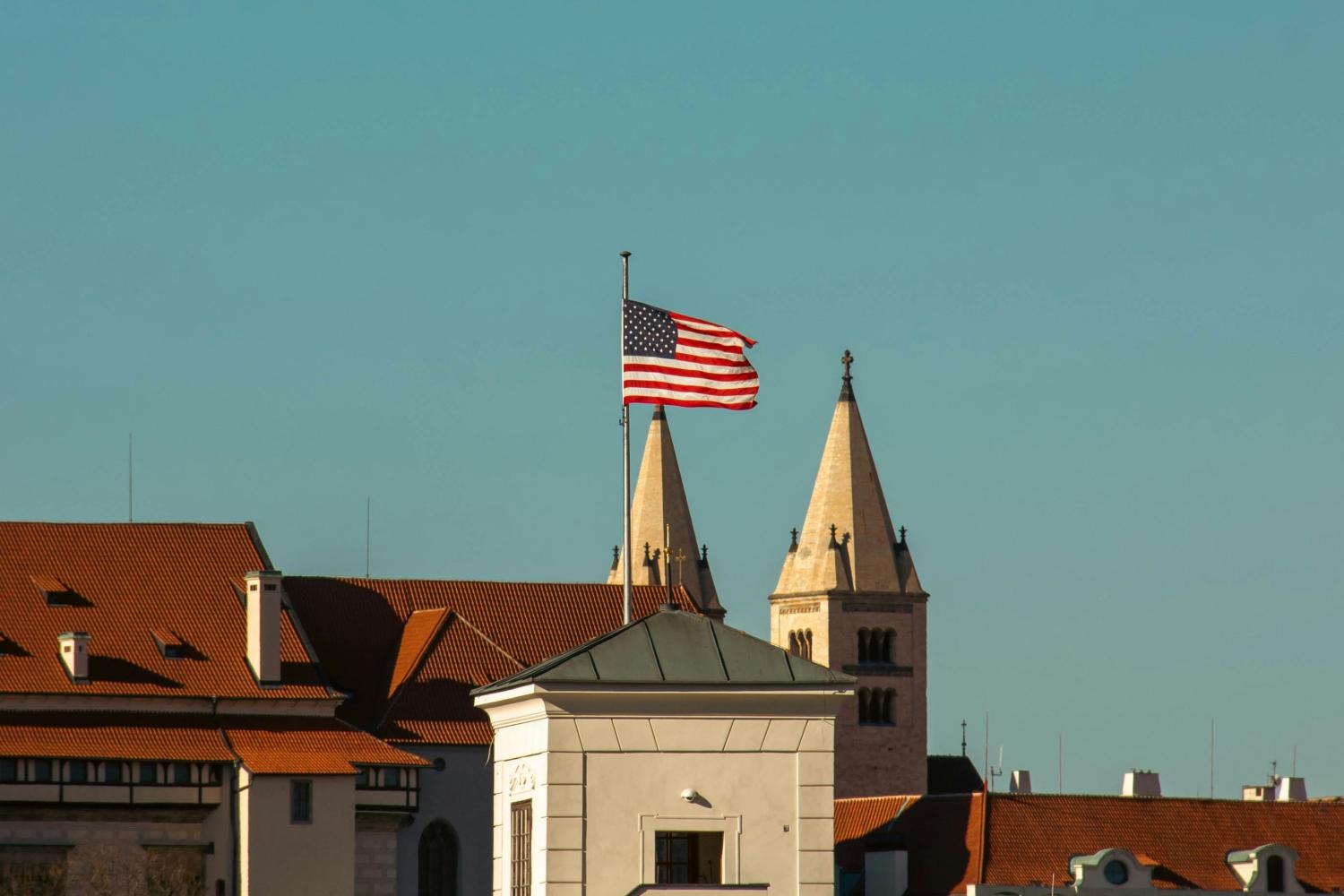
This kind of nuance, though, is hard for us. American politics has been America’s religion from the very beginning. Flying the flag is almost a religious act, in this country. As a result, Christians have easily become more committed to their politics than to their religious beliefs – and they can occasionally confuse the two. Indeed we’ve sometimes lost the sense for the difference between being patriotic and being Christian. But the two are not the same thing, and though a political loss may be occasion for recognizing where, now, our cultural and political battles need to be fought, it’s not occasion for totalizing disappointment.
By the same token, all of this can be hard for us the other way round, too. Sometimes Christians are the first to embrace a hands-off policy, when it comes to politics: politics just isn’t their “thing.” But that’s also not Christian. The Catholic perspective on the natural world is that we don’t throw it out, but we also don’t just embrace it, simply. Rather, we engage it and work for its conversion. For everything needs to be converted. It’s true of our physical being. It’s true of our social relationships. And it’s true of our politics.
Perhaps our basic stance, then, is to simply note that our loyalties, while they may find provisional handholds on this side of the veil, ultimately lie elsewhere. In other words, we don’t give our simple loyalty to anything except the Kingdom of God. And then we work and strive and labor on its behalf, but we also see the world as God sees it. And in his view this world’s not ultimate; it’s not the place in which we’re meant to make our home, no matter how Republican or Democrat it becomes. Rather, it’s a place for pilgrimage, for seeking his face, and for conversion.