Victory in Suffering
November 12, 2026
3
min
read
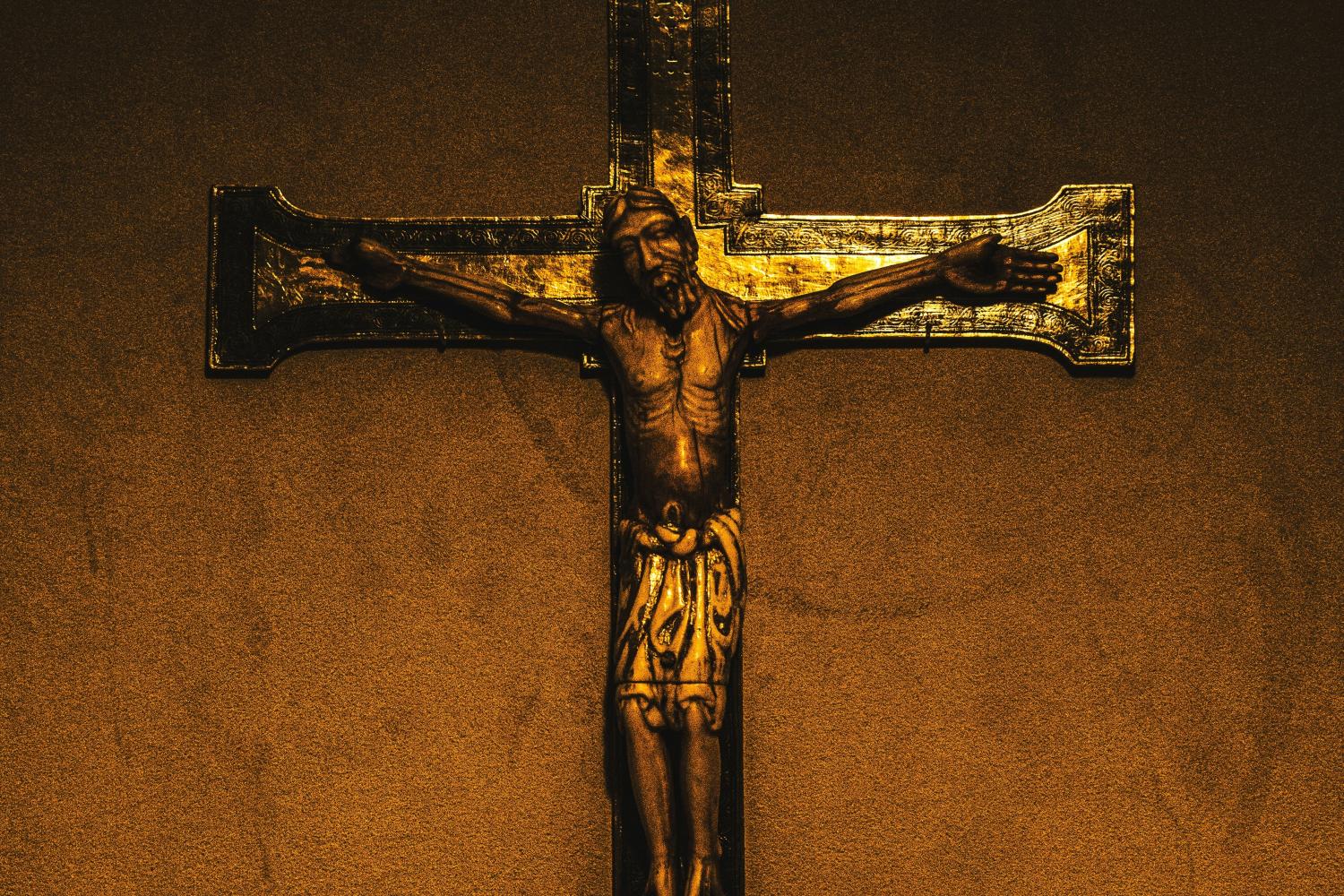
The papal charity Aid to the Church in Need is inviting Christians to join in marking Red Week on November 15-22, an international campaign of prayer for persecuted Christians.
The week is meant to draw awareness and support for the estimated 220 million Christians presently being persecuted for their faith. According to the ACN, religious freedom is under attack in 62 of the world’s 196 countries, affecting in some form or other the 413 million Christians living there.
“Persecution isn’t something from the history books,” said the ACN’s U.S. outreach director. “Christians are living it today.”
Such numbers naturally inspire calls for justice. It isn’t right that these individuals should be less free to practice their religion than others, their Christian brothers and sisters say. “Religious freedom is not a privilege but a fundamental human right,” said the international executive president for the ACN, for instance. And of course she’s right about that. And she’s right, too, that we therefore need to pray for those whose rights are being infringed upon, especially when that infringement comes with violence and fearful intimidation.
But, perhaps oddly enough, we can also find encouragement amidst these cries of injustice. The persecution of Christians, after all, should really come as no surprise to us. Jesus promised it. He told us we could count on it. And figures like Saint John Henry Newman have suggested that, as a result, we need not be concerned about it. Instead, it might also bring us some measure of reassurance: the Church is persecuted when it’s felt, in a given society; when the practice of the faith is fervent and vibrant enough to be recognized for what it is – disruptive, unsettling, and requiring a response. “[Christ] left [the Church] in persecution and he will find her in persecution,” Newman says. “He recognizes her as his own.”
Indeed for centuries, to suffer for the sake of the Name was considered the great honor of Christians. Not that Christians were meant to go looking for suffering – that’s been often clarified by the teachers and pastors of the Church. But it’s intriguing that they’ve had to clarify that. Suffering for Christ, even unto death, has been so highly cherished as the mark of a genuine faith, a genuine love for God, that it’s often been relished, desired, and even pursued.
This could be worth bearing in mind, too, in the wake of the most recent election cycle, which saw a marked shift in American politics. There may be some battles for religious freedom ahead, for American Christians, and maybe even strenuous ones. It’s good to remember that that doesn’t mean that something’s gone desperately wrong, for us. It is unjust, yes; but it’s unjust in the way that we should expect, and in the way that the saints and martyrs who have gone before us have found a strange kind of joy in.
And that’s because we do follow a strange, redeeming God: Jesus of Nazareth, the Crucified. Christians are meant to walk with their Lord to the cross, where, by a wisdom that’s not of this world, their suffering becomes their victory.