Posturing Skepticism
September 3, 2026
4
min
read
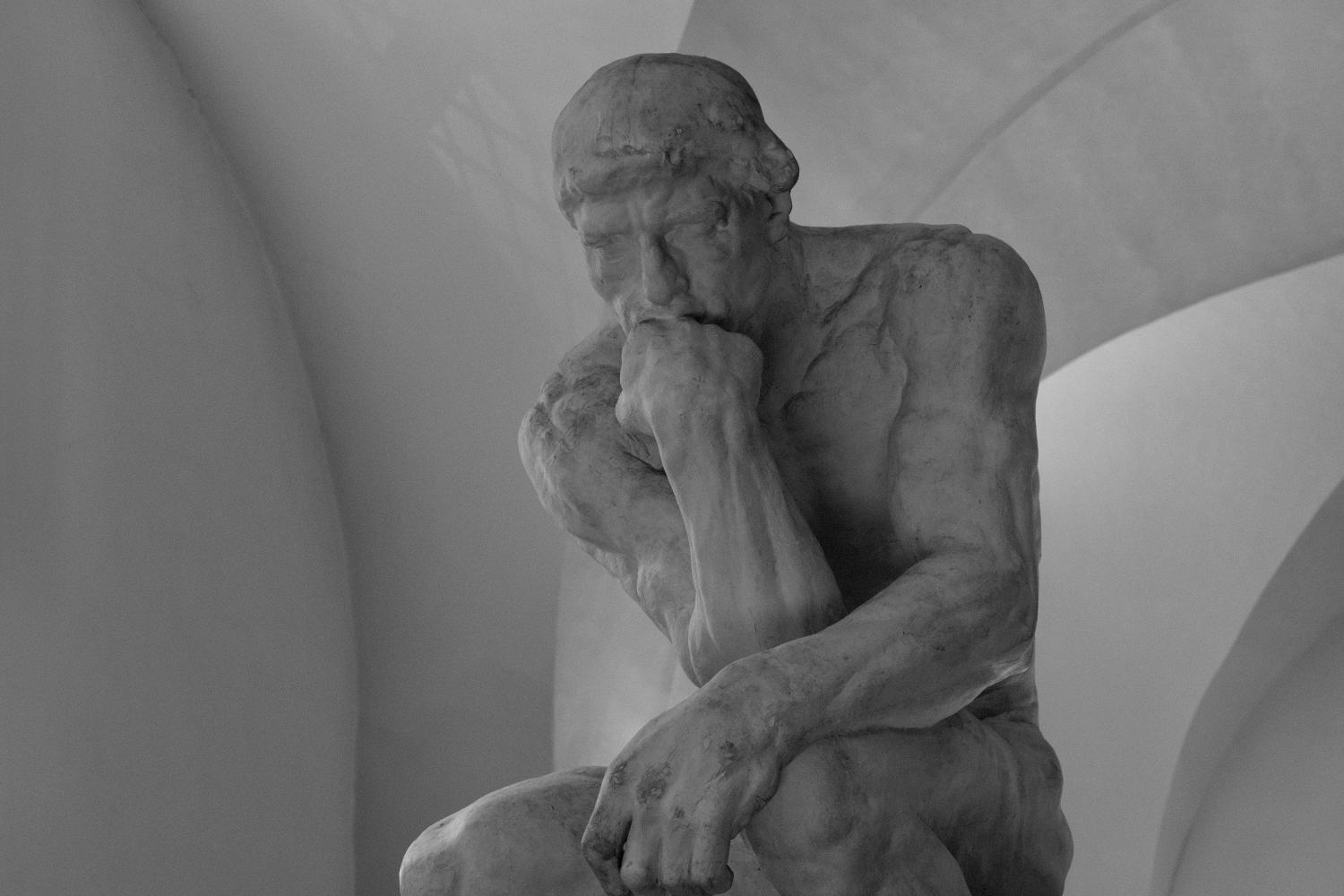
It’s “back to school” season. Most kids across the country have once again settled into their desks for another academic year, and most university students are getting back into the swing of things, too. New classes to attend, new dorms to move into, new texts to read.
…Or, perhaps not to read. A recent First Things piece took a hard look at the habits of high-achieving students at one of the top universities in the country – Columbia. The author recalls his own time there, remembering the tack he and most of his classmates took to get through their seminars: “the twenty of us would sit around a table, each with the same goal: to fool the professor into believing we had read the material.”
The piece is something of an exposé on the role “critical thinking” has come to play in the upper echelons of academia. Rather than making students adept at developing thoughtful and well-argued views about important topics, the author argues, the skill has succeeded mostly in making students adept at appearing profound and impressive. It’s not so hard to lodge skepticism at texts and ideas on the fly, or to come up with sophisticated ways of announcing why Shakespeare or John Stuart Mill were racist or behind the times – even if one “actually has little to no idea what [they’re] talking about.” But the result has been that putting critical thinking at the forefront of education has produced students who seem confident and intelligent, even as those students have learned to disregard those questions or inconsistencies that might reveal something they don’t necessarily have an answer to.
Of course, that hasn’t been the intention of this kind of education. The intention has been to form students who emerge unbiased, capable of looking at evidence squarely and coolly. A “critical thinker” is purportedly not easily persuaded, and therefore he or she can see backward and oppressive historical, philosophical, or theological views for what they really are: backward and oppressive.
But the reality is that critical thinking, modernly, isn’t unbiased. It’s not actually calm and neutral. At places like Columbia, it turns out to be an indoctrination into a specific way of seeing the world, and that way of seeing the world is usually aggressively revolutionary. “Critical thinking” – again in the modern sense of the term – means criticizing past or existing ways of thinking according to very specific dogmas, dogmas that turn on narratives of power, oppression, and identity, and that end in nihilistic and vaguely utopian ways of seeing the world. But the catch is that those dogmas and narratives are not themselves self-reflective. “Critical thinking” actually does very little thinking: it doesn’t question or examine its first principles for clarity and coherence. Its dogmas simply become the basis for critique, for dismantling other views, without articulating a more robust set of ideas or a viable, positive vision for the future.
And this, the First Things piece notes, is where things get dicey. For eventually ideas and a viable vision for the future are not just hypotheticals. College students grow up, and their views and habits of mind eventually come to bear not just on seminar discussions but in more consequential arenas – politics, governance, business, and so on. And then something like anti-Semitism, or an unexamined distaste for border control, or a blindly polarizing view of Israel and Palestine, becomes not just a sophisticated “take” but, potentially, real policy, affecting the lives of real people.
That’s a bit frightening. And it makes the daily work of universities feel more urgent, and more significant. But perhaps that work should feel urgent and significant, anyway. For the tragedy of this kind of education is also that it strips it of everything that can make education meaningful. It’s less interesting to appear smart than to become wise; it’s less exhilarating to learn how to pick apart an argument than it is to learn how to understand and live it. But wisdom and knowledge won’t come from an atmosphere of skepticism and posturing. They’ll come from a willingness to entrust oneself to a tradition that has proven itself worthy – a tradition of writers and thinkers and ideas that makes one think, as Rilke puts it, “You must change your life.” That’s the source of true joy. The joy not of gaining the applause of one’s professors or peers, or of outwitting another’s ideas with a clever comment, witnessed by all. It’s the joy of coming to know things, in a way that gives a glimpse of the unity and beauty that runs through all of it, as well as a desire to belong to the One whose love created it.